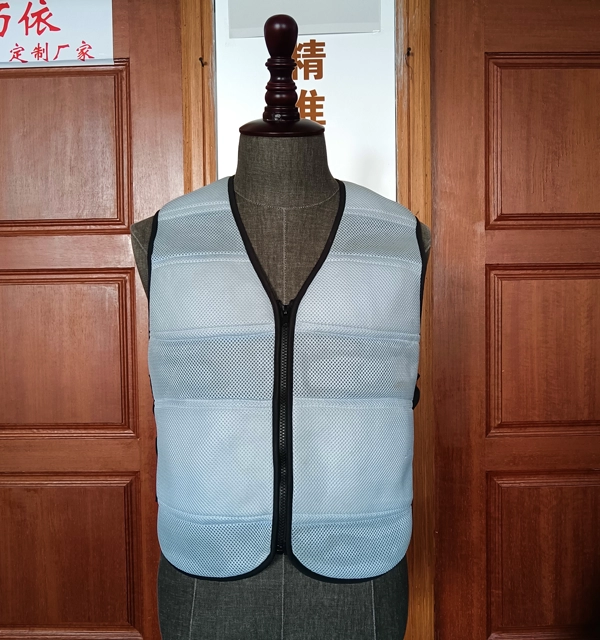
Working in high-temperature environments can cause discomfort and increase the risk of heat stress. For workers in industries such as metallurgy, forging, welding, shipbuilding, petroleum, boiler manufacturing, and sandblasting, choosing suitable personal cooling equipment is important for maintaining comfort during operation.
Among different personal cooling solutions, vortex tube cooling vests and ice cooling vests are two commonly used options. Although both are designed to provide cooling effects, they use different cooling methods and are suitable for different working conditions.
Suzhou SenJoy Cooling Clothing Garment Co., Ltd. specializes in industrial cooling clothing solutions.
What Is a Vortex Tube Cooling Vest?
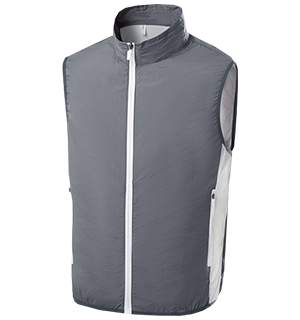
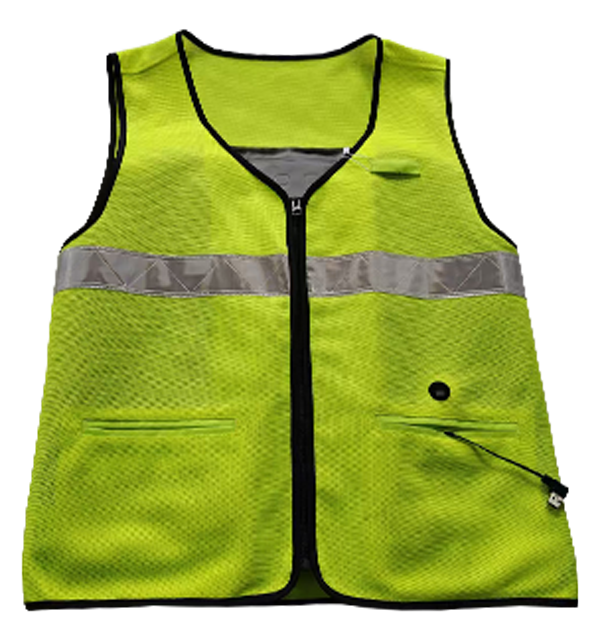
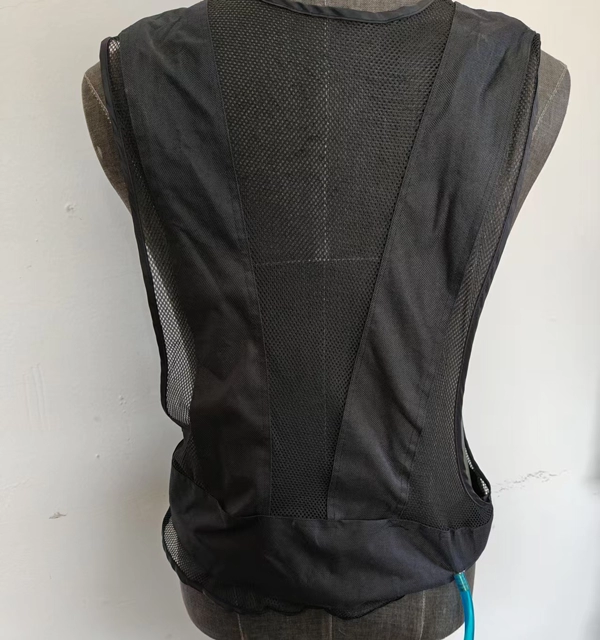
A vortex tube cooling vest is a type of personal cooling garment that uses compressed air to generate cool air through a vortex tube system. The cooled air is delivered into the vest, helping reduce heat discomfort for workers during high-temperature operations.
Unlike cooling vests that rely on frozen materials, a vortex tube cooling vest works continuously as long as a compressed air supply is connected.
This type of cooling solution is commonly used in industrial environments such as:
- Metallurgy
- Forging
- Shipyards
- Welding
- Petroleum industries
- Boiler factories
- Sandblasting operations
What Is an Ice Cooling Vest?
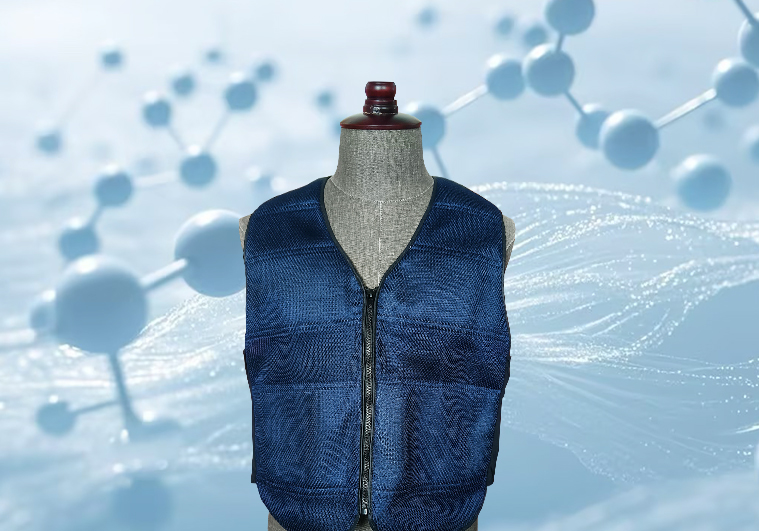
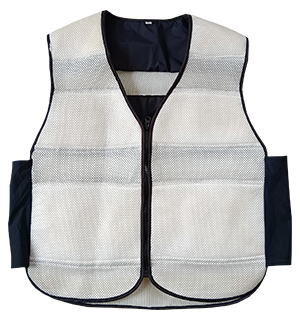
An ice cooling vest uses ice packs, gel packs, or other cooling materials placed inside the vest to absorb body heat.
Before use, the cooling packs usually need to be frozen or cooled. After the cooling effect decreases, the packs need to be replaced or re-cooled.
Ice cooling vests are widely used because they are simple to operate and do not require an external air source.
Vortex Tube Cooling Vest vs Ice Cooling Vest: Key Differences
| Comparison | Vortex Tube Cooling Vest | Ice Cooling Vest |
|---|
| Cooling Method | Compressed air and vortex tube technology | Ice packs or cooling materials |
| Cooling Supply | Requires compressed air | Requires frozen cooling packs |
| Cooling Duration | Continuous while air supply is available | Limited by cooling material duration |
| Operation | Connect to air compressor | Replace or recharge cooling packs |
| Mobility | Suitable for fixed workplaces with air supply | Suitable for mobile applications |
| Temperature Stability | Provides continuous cooling airflow | Cooling performance decreases gradually |
| Maintenance | Simple operation with air supply | Requires freezing and replacing packs |
Cooling Duration: Continuous Cooling vs Limited Cooling Time
One of the biggest differences between these two cooling methods is cooling duration.
An ice cooling vest provides cooling through stored cold energy. However, once the ice packs warm up, the cooling effect gradually decreases, and users need to replace or recharge the cooling packs.
A vortex tube cooling vest provides continuous cooling airflow when connected to a compressed air source. This makes it suitable for workers who need cooling support during extended industrial operations.
Cooling Source: Compressed Air vs Ice Packs
The cooling source determines where each type of vest can be used.
Vortex Tube Cooling Vest
Advantages:
- Uses compressed air as the cooling source
- Provides continuous airflow cooling
- Suitable for workplaces equipped with air compressors
Ice Cooling Vest
Advantages:
- Does not require compressed air
- Easy to carry and use in different locations
- Suitable for short-term cooling requirements
Which Cooling Vest Is Better for Industrial Work?
The best choice depends on the working environment.
A vortex tube cooling vest is more suitable for industrial workplaces where:
- Workers stay in high-temperature areas for long periods
- Compressed air systems are available
- Continuous cooling is required
For example, workers in metallurgy, welding, forging, shipyards, and boiler manufacturing may benefit from a compressed air cooling solution.
An ice cooling vest may be a better option when:
- Workers frequently change locations
- No compressed air source is available
- Portable cooling is required