A cooling vest with gel packs is a practical solution for people working or spending extended periods in hot environments. By using cold gel as a cooling medium, this type of clothing helps absorb body heat and provides a cooling sensation without requiring continuous electrical power. However, proper preparation, use, and maintenance are important for keeping the cooling vest in good condition and ensuring a comfortable wearing experience.
Whether used in industrial workplaces, outdoor operations, or other high-temperature environments, understanding how to handle gel cooling packs can help users get more consistent performance from their cooling clothing.
1. Prepare the Gel Packs Before Wearing the Cooling Vest
Proper preparation is the first step in using a cooling vest with gel packs.
Most gel-based cooling systems require the gel packs to be cooled in a freezer before use. The cooling process allows the gel to store cold energy, which is gradually released when the vest is worn.
Here are some practical preparation tips:
Check the gel packs: Inspect the gel packs for visible damage, leakage, or unusual deformation before placing them inside the vest.
Follow the recommended cooling conditions: Place the gel packs in a freezer according to the manufacturer's instructions. Avoid assuming that every gel formulation requires the same freezing time or temperature.
Prepare spare gel packs: For extended work shifts, having an additional set of cooled gel packs can make replacement more convenient.
Check the clothing pockets: Make sure the designated pockets are clean, dry, and ready to hold the gel packs securely.
Proper preparation helps ensure that the cooling vest is ready for use when workers enter hot environments.
2. Wear the Cooling Vest Correctly
The way a cooling vest fits can affect both comfort and cooling performance.
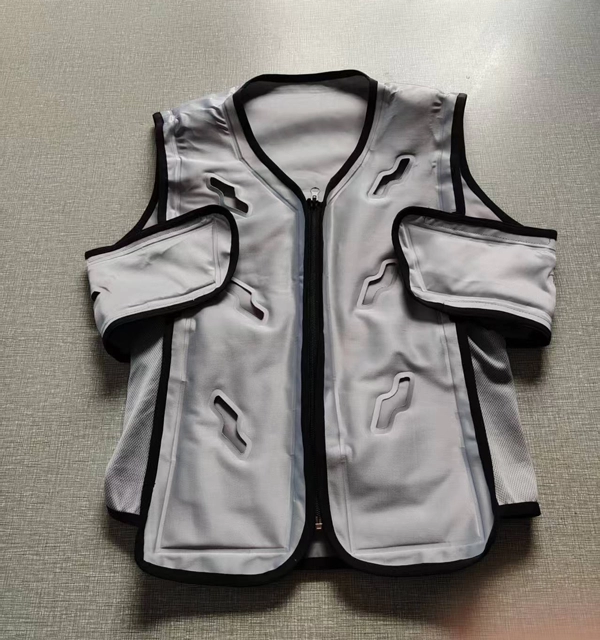
After preparing the gel packs, insert them into the designated pockets according to the garment design. Make sure they are positioned correctly and distributed as intended.
When wearing the vest, consider the following:
Adjust the vest so that it fits comfortably without restricting movement.
Ensure that the gel packs remain in their designated positions.
Avoid folding or compressing the gel packs excessively.
Check that the vest does not interfere with other required protective equipment.
Follow workplace safety requirements when wearing cooling clothing with uniforms or protective garments.
For industrial users, the vest should be selected according to the working environment, clothing requirements, and expected activity level.
3. Replace or Re-Cool the Gel Packs When Cooling Decreases
The cooling effect of gel packs gradually decreases as they absorb heat from the surrounding environment and the wearer's body.
When the vest no longer provides sufficient cooling, users can replace the gel packs with another prepared set. The used packs can then be returned to the freezer for cooling again, provided they are designed for repeated use.
For more efficient operation, consider using a two-set rotation system:
Prepare two sets of reusable gel packs.
Cool both sets according to the manufacturer's instructions before the shift.
Use the first set in the cooling vest.
Replace it with the second set when the cooling effect decreases.
Return the used set to the freezer for the next cooling cycle.
This approach helps reduce interruptions during longer working periods. The actual cooling duration depends on gel formulation, ambient temperature, clothing design, and work intensity.
4. Clean the Cooling Vest Regularly
Regular cleaning helps maintain the fabric, improve wearing comfort, and prevent the accumulation of sweat, dust, and dirt.
Before cleaning, remove all gel packs from the vest. Then follow the garment's care label and manufacturer instructions.
General cleaning recommendations include:
Use a suitable mild detergent for the fabric.
Avoid harsh chemicals or cleaning agents that may damage the garment.
Do not wash the gel packs together with the clothing unless specifically permitted by the manufacturer.
Avoid excessive scrubbing around pockets, seams, and closures.
Allow the vest to dry completely before storing or using it again.
For industrial cooling clothing, regular cleaning is particularly important because workers may be exposed to dust, oil, and other workplace contaminants.
5. Inspect the Gel Packs and Vest Before Storage
Proper storage helps protect both the gel packs and the clothing.
Before putting the cooling vest away, check the following:
Gel packs
Inspect the outer material for cracks, punctures, or leakage.
Make sure the gel remains properly contained.
Follow the recommended storage conditions.
Avoid using damaged gel packs.
Cooling vest
Check the fabric for tears or excessive wear.
Inspect seams, pockets, zippers, and fastening components.
Ensure the garment is completely dry.
Store it in a clean, dry place away from direct sunlight and excessive heat.
If the gel packs are designed to remain refrigerated between uses, follow the manufacturer's storage recommendations rather than leaving them in unsuitable conditions.
6. Avoid Common Mistakes When Using Gel Cooling Vests
Even a well-designed cooling vest may not perform as expected if it is used incorrectly.
Some common mistakes include:
Using damaged gel packs: Damaged packs may leak and should be removed from service.
Skipping the cooling preparation process: Gel packs that have not been properly cooled may provide insufficient cooling.
Wearing an incorrectly sized vest: A poor fit may cause discomfort and affect the intended positioning of the gel packs.
Ignoring garment cleaning: Sweat and dirt can accumulate over time, affecting fabric condition and wearing comfort.
Storing the vest while it is still damp: Moisture left in the garment may contribute to unpleasant odors and fabric deterioration.
Following the manufacturer's instructions and establishing a regular inspection routine can help avoid these problems.
7. Choose a Reusable Gel Cooling Vest for Your Working Environment
For businesses and industrial users, choosing the right cooling clothing is just as important as using and maintaining it correctly.
A suitable cooling vest should match the workplace temperature, activity level, wearing duration, and existing workwear requirements.
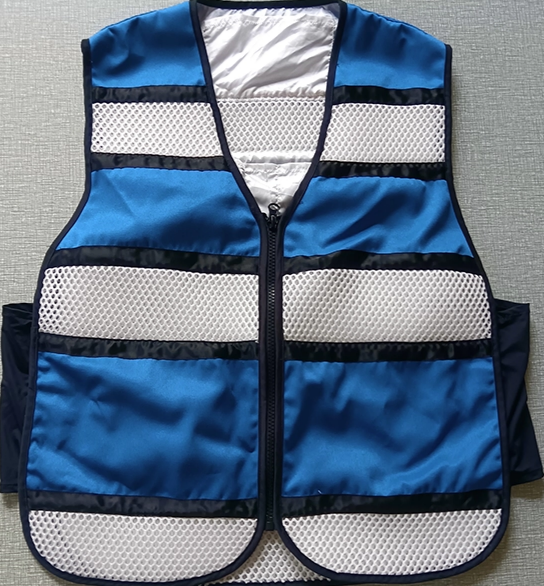
Suzhou SenJoy Cooling Clothing Garment Co., Ltd. offers Condensing Glue Cooling Clothing, which uses cold gel as its cooling medium. The gel is placed in designated clothing pockets and provides a cooling sensation through stored cold energy. Unlike rigid ice packs, the gel has a certain degree of softness, helping improve wearing comfort.
Key product features include:
Reusable cooling gel: The gel can be cooled again in a freezer when its cooling effect decreases.
Cold storage capacity: The gel stores cold energy to provide a cooling effect during use.
Two-set rotation: Two sets of refrigerant can be used alternately to support longer working periods.
Customizable clothing designs: Styles, colors, and fabric options can be customized according to customer requirements.
Industrial applications: Suitable product configurations can be considered for different high-temperature working environments.
Function Cloth also provides customized cooling clothing solutions based on customers' workwear designs and application requirements.
If your business is looking for reusable cooling clothing for industrial or outdoor applications, explore our Condensing Glue Cooling Clothing and contact our team to discuss your requirements.