2025-04-08
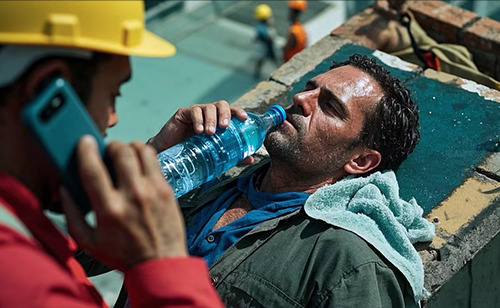
Heatwave Triggers Health Crisis for Workers, Heatstroke Incidents Rise ...
With the arrival of summer, high temperatures have become increasingly frequent ...
LEARN MORE
Yes, evaporative cooling clothing can provide a genuine cooling effect. The reason is not simply that the clothing feels wet. It uses the natural process of water evaporation to remove heat from the area around the wearer.
This makes evaporative cooling clothing different from ordinary clothing. Once moisture begins to evaporate from the cooling material, heat is absorbed during the evaporation process, which can create a cooler sensation.
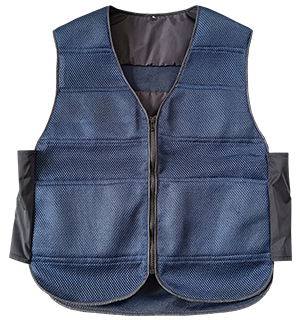
The basic principle is the same as the body's natural cooling process.
When water changes from liquid into vapor, it absorbs heat from its surroundings. Evaporative cooling clothing uses this principle by holding moisture within the garment and allowing it to gradually evaporate.
As the water evaporates, heat is taken away from the material and the surrounding area. This creates the cooling effect that the wearer experiences.
Therefore, the cooling does not come from the water itself being cold. It comes from the evaporation of the water.
Evaporation requires energy. When water molecules escape from a wet surface and become vapor, they take heat with them.
For an evaporative cooling garment, this process takes place at the surface of the moisture-containing material. As evaporation continues, heat is removed from around the garment.
This explains why simply soaking a suitable cooling garment can activate its cooling function without batteries or electrical components.
Yes. Evaporative cooling depends on how easily water can evaporate, so environmental conditions have an important influence on the result.
Airflow can help move water vapor away from the garment's surface, supporting continued evaporation. Humidity also matters. When the surrounding air is relatively dry, evaporation can generally occur more readily. When humidity is high, the air contains more moisture, which can slow the evaporation process.
This means evaporative cooling clothing does work, but its performance is naturally affected by the environment in which it is used.
The cooling sensation is based on an actual physical process rather than simply the feeling of wearing a wet garment.
As long as moisture continues to evaporate, heat can continue to be removed through evaporation. Once most of the available moisture has evaporated, the cooling effect will naturally decrease.
The rate of this process varies according to the surrounding conditions. This is why the same evaporative cooling clothing may perform differently in different environments.
One of the notable characteristics of evaporative cooling clothing is that its basic cooling mechanism does not require electricity.
The garment uses water and the natural process of evaporation to create cooling. There is no need for a powered refrigeration system to initiate this process.
This simple principle is what allows evaporative cooling clothing to provide cooling in a portable form.
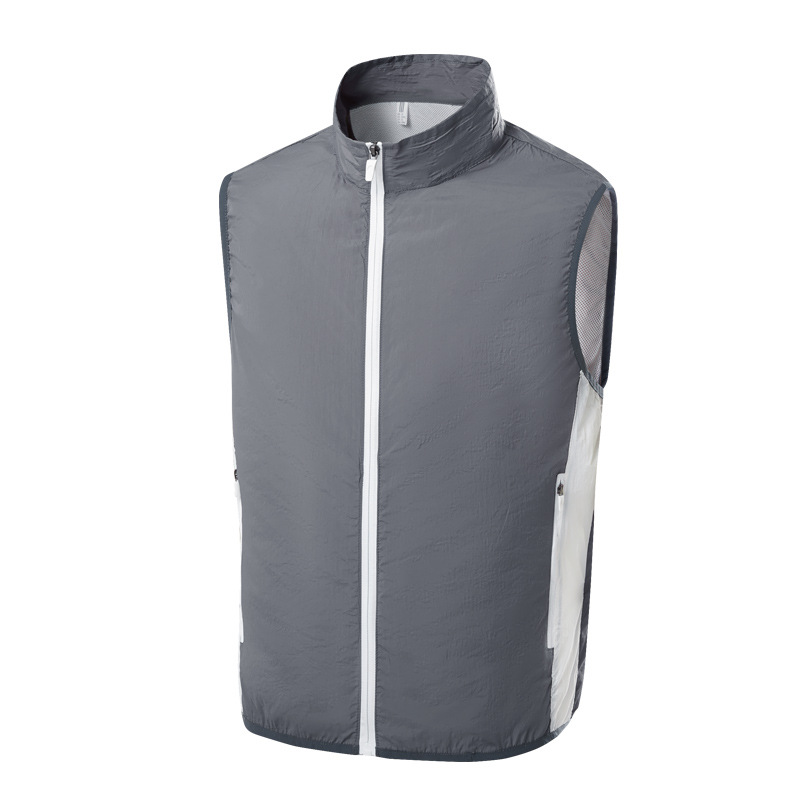
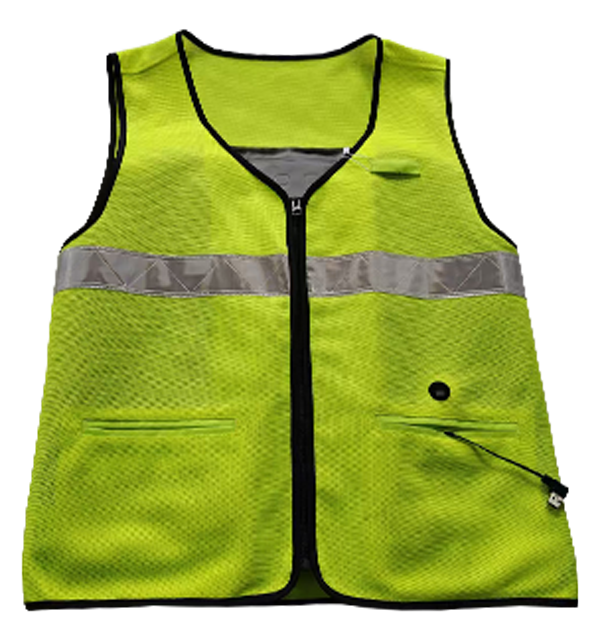
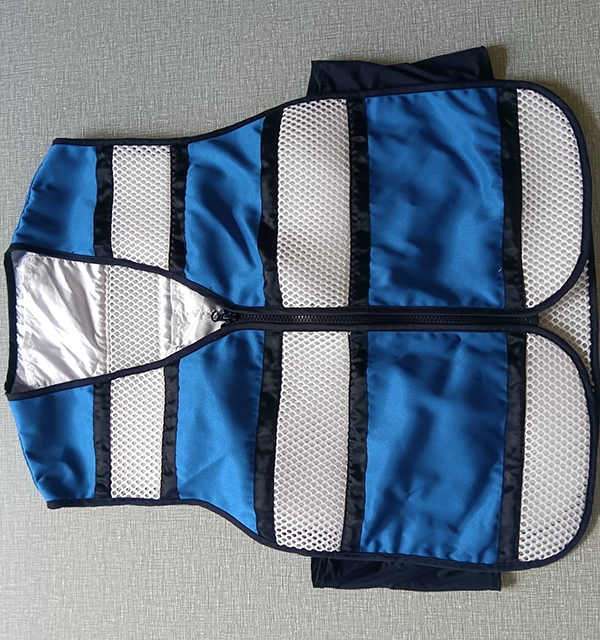
At Suzhou SenJoy Cooling Clothing Garment Co., Ltd., evaporative cooling clothing is based on this water-evaporation principle. The company's cooling garments are designed to use moisture evaporation to provide a practical cooling effect without relying on electrical power.
The product concept is straightforward: retain moisture in the cooling material and allow evaporation to remove heat during use.
It does, provided that the conditions allow effective evaporation.
The cooling effect comes from a well-established physical principle: water absorbs heat as it evaporates. Evaporative cooling clothing applies this principle to wearable materials, allowing the evaporation process to help remove heat around the wearer.
Its effectiveness can vary with factors such as airflow and humidity, but the underlying cooling mechanism is real. That is why evaporative cooling clothing can be a practical approach to cooling without relying on electricity.