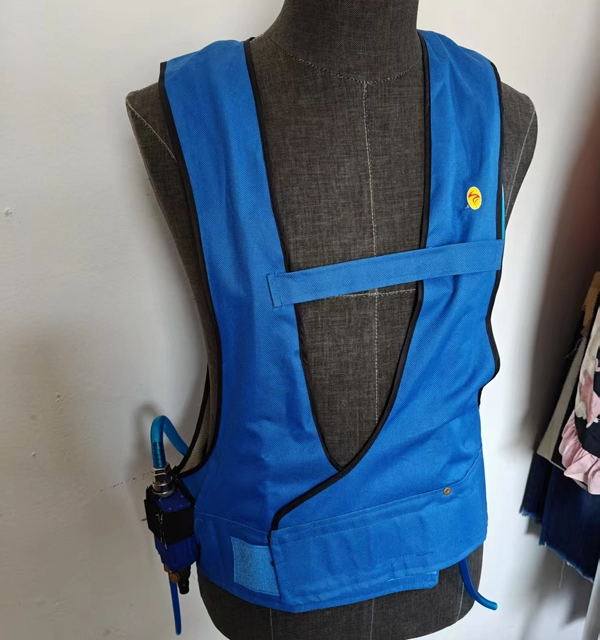
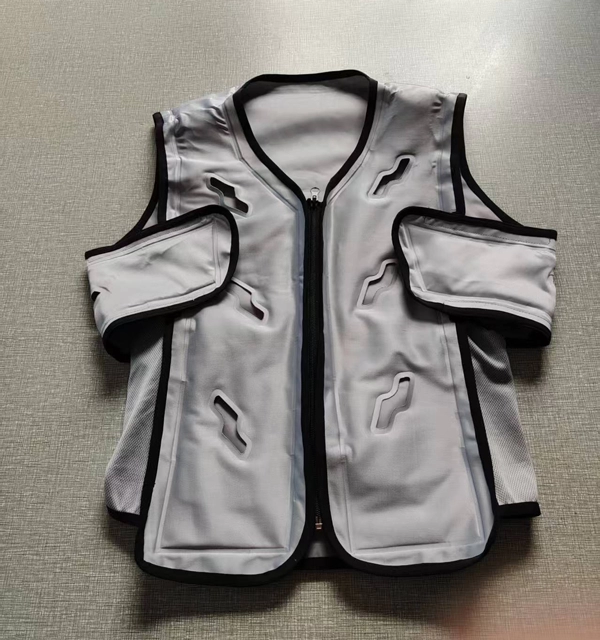
Mining environments are widely recognized as high-risk workplaces due to extreme heat, limited ventilation, and physically demanding labor. In such conditions, cooling garments for the coal mining industry play an increasingly important role in improving worker comfort and reducing heat-related safety risks.
This article explains how coal mine cooling clothing works, why it is used in mining operations, and how cooling clothing for coal mining helps manage heat stress in demanding work environments.
1. Heat Stress Challenges in Mining Environments
Mining operations—especially underground coal mining—often involve:
- High ambient temperatures from deep geological layers
- Limited airflow in confined underground spaces
- Heat generated by machinery and equipment
- Humid working conditions
- Long-duration physical labor
These conditions can reduce the body’s ability to regulate temperature effectively, increasing the risk of heat stress-related fatigue and safety hazards.
2. What Is Coal Mine Cooling Clothing?
Coal mine cooling clothing refers to specialized workwear designed to help regulate body temperature in high-heat environments such as mining sites.
Compared with standard protective clothing, cooling garments are designed to:
- Provide thermal relief during physical labor
- Improve wearer comfort in hot environments
- Support safer working conditions under heat stress
- Work alongside existing industrial protective equipment
These garments are widely used as part of modern occupational protection systems in heat-exposed industries.
3. How Cooling Garments Reduce Heat Stress
Cooling garments help reduce heat stress through several functional mechanisms:
3.1 Heat Absorption and Thermal Regulation
Many cooling garments use materials designed to absorb and temporarily store body heat, helping to slow down temperature rise during work activities.
3.2 Evaporative Cooling Effect
Some cooling clothing for coal mining uses evaporative principles:
- Fabric retains moisture
- Evaporation helps draw heat away from the body
- Provides temporary cooling in low-airflow environments
3.3 Breathable and Lightweight Fabric Design
Mining cooling garments often include:
- Breathable textile structures
- Moisture-wicking inner layers
- Lightweight construction for mobility
These features help improve airflow and reduce heat buildup inside the garment.
4. Importance of Cooling Clothing in Mining Operations
The use of cooling garments for the coal mining industry supports several key workplace goals:
Worker Safety
Helps reduce the risk of heat-related discomfort and fatigue.
Operational Efficiency
Supports workers in maintaining physical endurance in high-temperature conditions.
Comfort in Harsh Environments
Improves overall wearing experience during long working hours.
Integration with PPE Systems
Designed to be worn alongside standard protective mining equipment.
5. Application Scenarios
Cooling clothing is commonly applied in various mining-related environments, such as:
- Underground coal mining operations
- Tunnel construction and excavation environments
- High-temperature industrial maintenance areas
- Mining site inspection and field operations
In these environments, thermal comfort is an important part of daily occupational protection.
6. Product Characteristics of Mining Cooling Clothing
Typical coal mine cooling clothing systems may include:
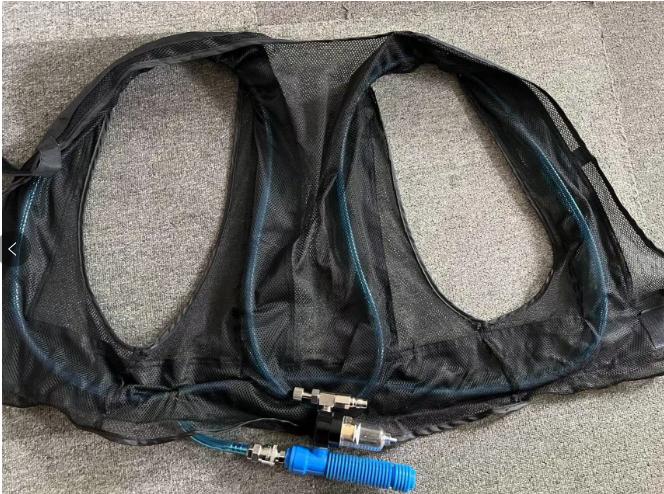
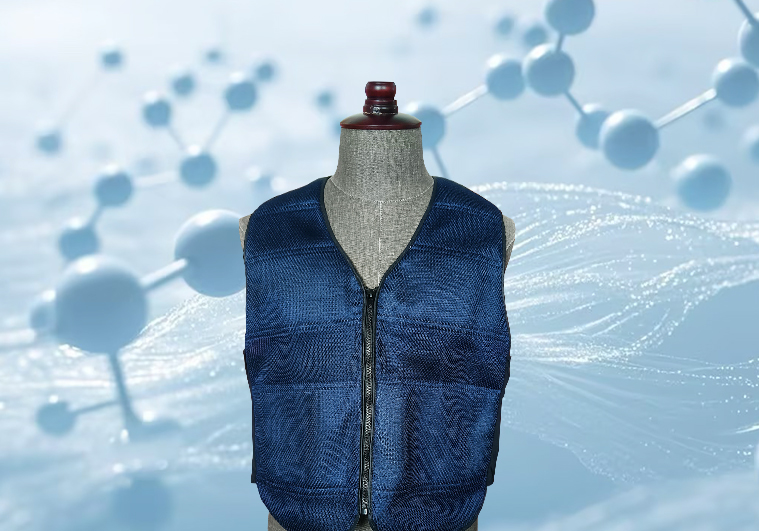
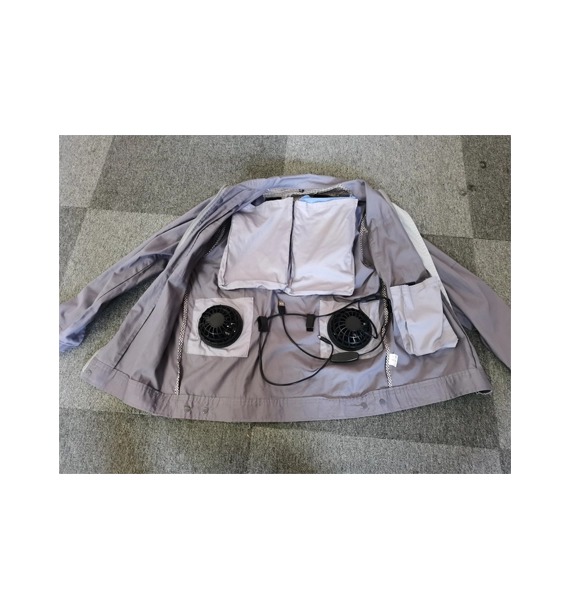
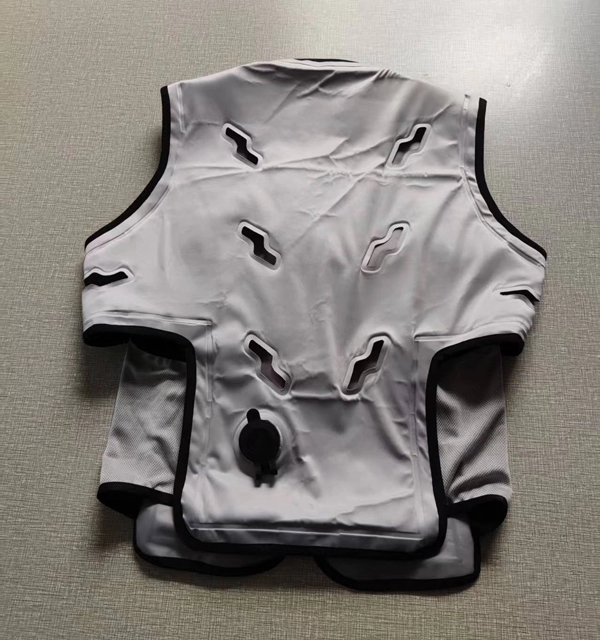
- Cooling vests or jackets
- Moisture-control inner layers
- Lightweight protective fabric structures
- Ergonomic designs for movement flexibility
- Components designed for repeated industrial use
These features aim to balance cooling performance with durability and practicality.
7. Industrial Cooling Clothing Manufacturer
Suzhou SenJoy Cooling Clothing Garment Co., Ltd.
The company provides cooling clothing solutions designed for high-temperature working conditions. Its products are developed for industrial use scenarios requiring thermal comfort and wearable cooling support.
8. Role of Cooling Garments in Modern Mining Safety
As mining operations continue to evolve, managing heat exposure has become an important part of workplace safety strategy. Cooling garments are increasingly used as a supplementary protective solution to help improve thermal comfort in hot working environments.
They are not a replacement for ventilation or safety systems, but rather an additional layer of personal thermal management.
9. Advantages Compared to Traditional Cooling Approaches
Compared with environmental cooling methods alone, cooling garments provide:
- Personal-level temperature regulation
- Direct body-focused thermal relief
- Continuous cooling support during movement
- Flexibility in underground or confined spaces
This makes them suitable for environments where large-scale cooling systems are limited.
Conclusion
Heat stress remains a key challenge in mining environments. The use of coal mine cooling clothing and cooling clothing for coal mining provides a practical way to support worker comfort and thermal management in high-temperature conditions.
By integrating breathable materials and heat-regulating design principles, cooling garments offer a practical solution for improving working conditions in modern mining operations.