Steel workshops are demanding working environments where high temperatures can make daily tasks more physically uncomfortable. Workers may spend long periods near heat-generating equipment, while conventional ventilation may not provide the same level of cooling directly around the body.
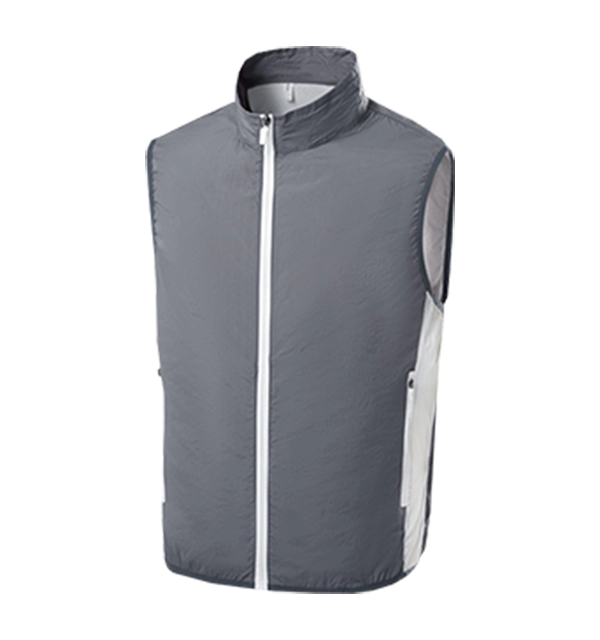
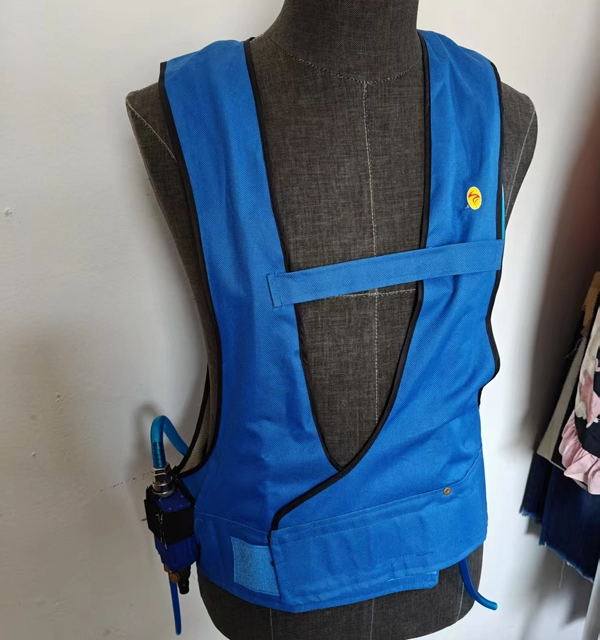
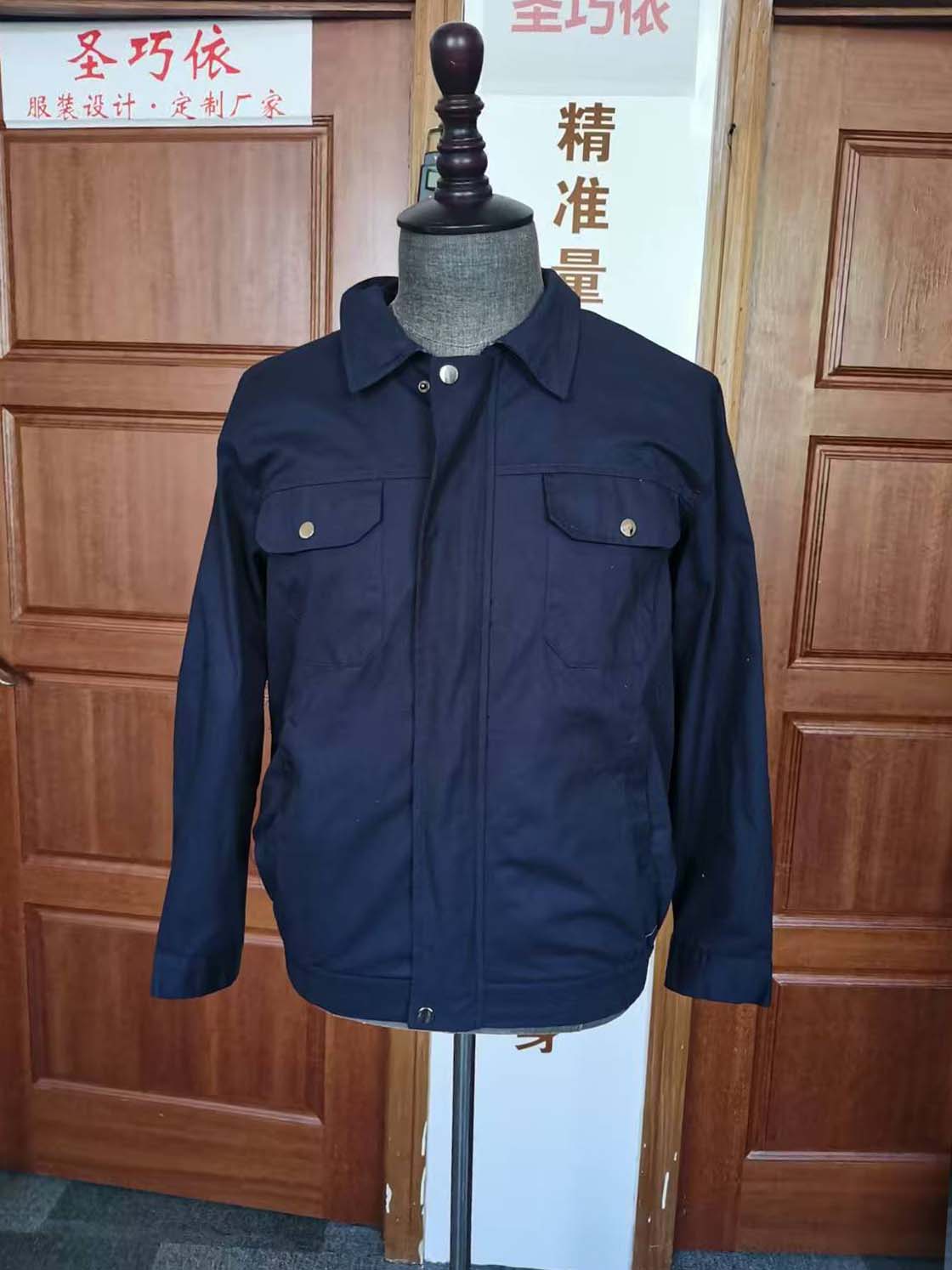
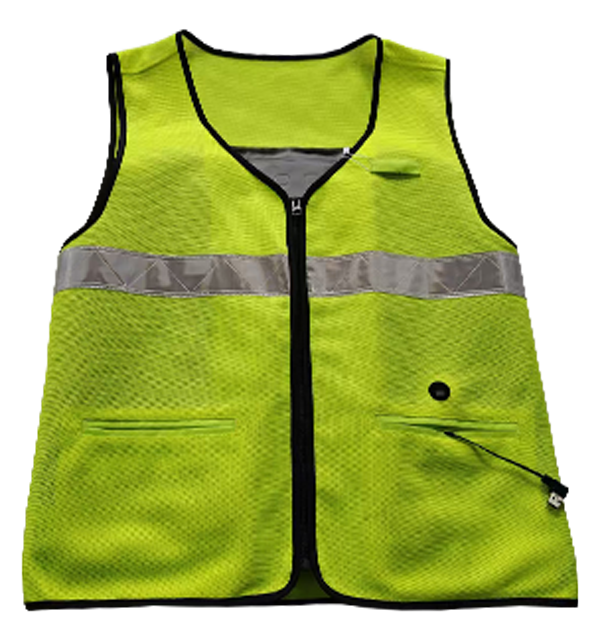
This is where evaporative cooling clothing with fan for steel workshops can provide a practical personal cooling option. Instead of attempting to cool the entire workshop, the cooling function is placed directly into the clothing worn by the worker.
The Challenge of Working in Hot Steel Workshops
Steel production and processing involve equipment and processes that can generate considerable heat. Even when a workshop has ventilation systems, workers may still experience uncomfortable conditions when working close to heat sources.
For workers, the issue is not simply the overall temperature of the workshop. The combination of ambient heat, physical activity, workwear, and limited airflow around the body can make it more difficult to stay comfortable during work.
A personal cooling garment addresses this problem at the worker level.
How Evaporative Cooling Clothing Provides Cooling
The basic principle is water evaporation.
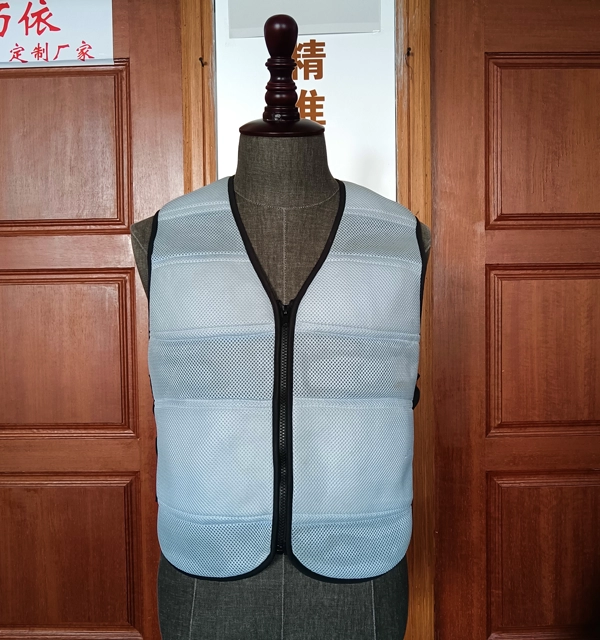
The cooling garment uses a high-absorbency polymer material that can store a substantial amount of water. Before wearing the garment, it can be soaked in water for about two minutes. After lightly wringing it out and removing excess water from the lining, the garment is ready to use.
As the stored water gradually evaporates, heat is absorbed during the evaporation process. This creates a cooling effect around the wearer.
The garment's waterproof inner lining also helps prevent the absorbed water from directly wetting the body, while the outer fabric allows the water to evaporate.
This makes the cooling process different from simply spraying water onto the worker or wearing a wet garment.
Why Add Airflow?
For evaporative cooling to take place, water needs to evaporate into the surrounding air. Air movement can therefore be important to the cooling process.
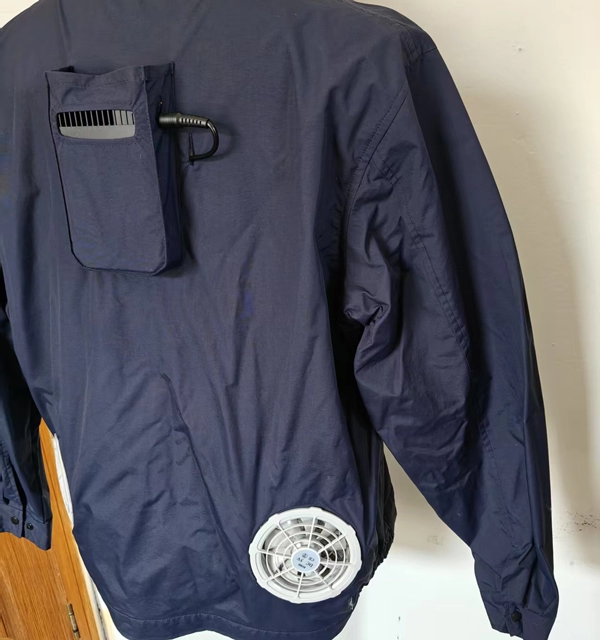
With a fan-assisted design, airflow can help support evaporation around the cooling garment. This can be particularly useful in working environments where workers need additional air movement while performing physical tasks.
The fan should therefore be viewed as part of the airflow and cooling concept, while the primary cooling mechanism remains water evaporation.
Why Is This Useful for Steel Workers?
The main advantage is that cooling is provided where the worker needs it.
Instead of relying entirely on cooling the whole workshop, workers can wear a cooling garment while continuing their normal activities.
This approach can be useful when:
Workers need to remain in hot production areas
Large workshop spaces are difficult to cool uniformly
Workers move between different workstations
Heat is concentrated around specific equipment or processes
Personal cooling is needed in addition to workplace ventilation
The garment is also reusable. When the cooling material eventually dries, it can be soaked in water again to reactivate the evaporative cooling function.
Environmental Conditions Matter
Evaporative cooling depends on evaporation, so the surrounding environment affects its performance.
Temperature, relative humidity, and airflow all influence how quickly water evaporates. The cooling clothing is particularly suitable for high-temperature, low-humidity environments, where evaporation can take place more effectively.
For this reason, steel workshops should consider their actual environmental conditions when evaluating an evaporative cooling solution.
A More Direct Approach to Personal Cooling
Cooling an entire steel workshop can be challenging, especially in large production spaces with continuous heat sources. Personal cooling clothing takes a different approach by bringing the cooling function directly to the worker.
For steel workshop applications, evaporative cooling clothing with fan combines a water-based cooling principle with wearable airflow support. The result is a practical option for workers who need additional cooling while working in hot environments.
Rather than replacing existing ventilation or workplace heat-control measures, personal cooling clothing can serve as an additional way to improve thermal comfort during demanding work.