High temperatures in foundries, steel mills, forging workshops, and welding stations can make industrial work challenging. Choosing the right cooling clothing depends on cooling duration, worker mobility, and available equipment.
Vortex cooling clothing and PCM cooling vests offer two different approaches to personal cooling. Understanding their differences helps manufacturers select a solution that fits their working environment.
1. Key Differences Between Vortex and PCM Cooling Clothing
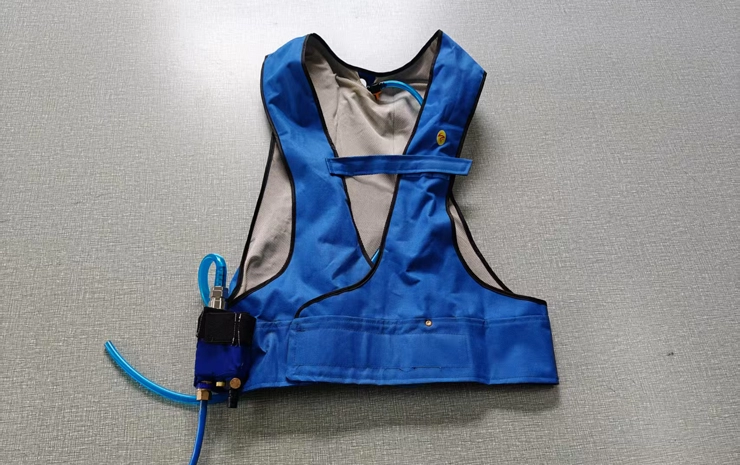
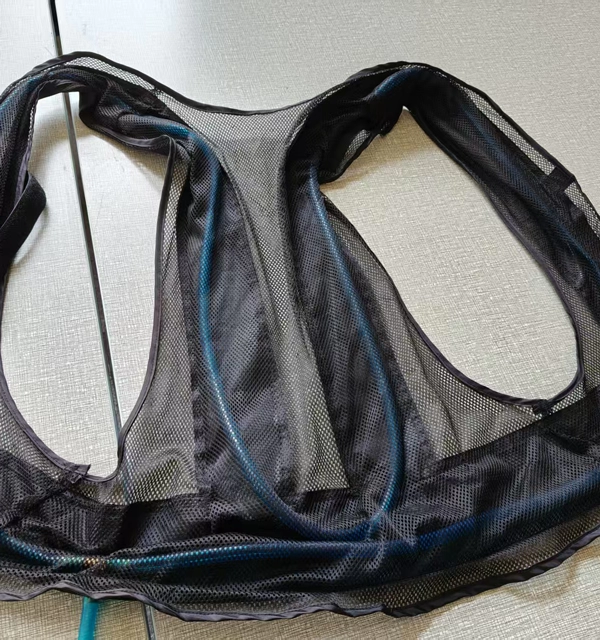
Vortex cooling clothing uses vortex tube technology to generate cold airflow from compressed air. It can provide continuous cooling while a suitable air supply is maintained, making it worth considering for fixed industrial workstations.
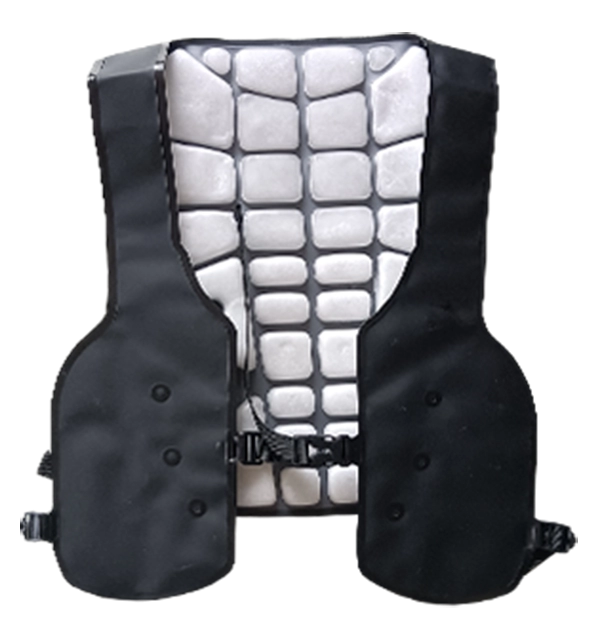
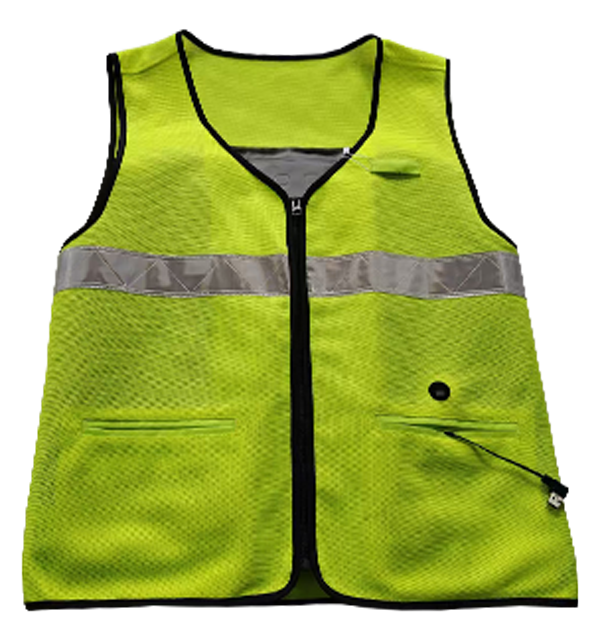
PCM cooling vests use phase change material packs to absorb heat. The packs are prepared before use and must be reconditioned once their cooling capacity is depleted. Since they do not require a continuous air connection, they can offer greater mobility.
| Factor | Vortex Cooling Clothing | PCM Cooling Vests |
|---|
| Cooling method | Compressed-air-powered cold airflow | Heat absorption through phase change |
| Operating requirements | Suitable compressed air supply | Preconditioned PCM packs |
| Cooling duration | While suitable air supply continues | Depends on pack capacity and working conditions |
| Mobility | Requires hose management | Generally better for mobile tasks |
| Maintenance | Air supply and system checks | Pack reconditioning |
2. Which Cooling Solution Suits Your Workplace?
For steel mills, foundries, forging workshops, and other fixed workstations, vortex cooling clothing may be suitable when compressed air is readily available.
For workers who frequently move between locations, PCM cooling vests may be more convenient because they operate without an air hose.
Before making a decision, consider ambient temperature, humidity, workload, required cooling duration, and compatibility with protective clothing. Neither solution replaces proper ventilation, rest breaks, hydration, or workplace heat-stress controls.
3. SenJoy Vortex Tube Cooling Vest for Industrial Applications
The SenJoy Vortex Tube Cooling Vest with Air Compressor is designed for industrial applications such as metallurgy, forging, shipyards, welding, boiler factories, and sandblasting.
Its compressed-air-powered cooling mechanism supports continued airflow during operation, provided the air supply meets the product's requirements. It is worth evaluating for workplaces where fixed workstations and existing compressed air infrastructure make this approach practical.
Buyers should confirm air pressure, airflow requirements, cooling performance, garment specifications, and compatibility with required PPE before ordering.
4. Choose the Right Cooling Clothing for Your Application
Vortex cooling clothing is worth considering when continuous airflow and compressed air availability are priorities. PCM cooling vests may be a better fit when worker mobility and independence from an air supply matter more.
Explore the SenJoy Vortex Cooling Clothing to learn more about the product.
Contact SenJoy with details about your working environment, operating duration, and compressed air availability to discuss a suitable cooling solution.